 Dansk
Dansk
 English
 Deutsch
 Nederlands
 Français

Dark Sky Parks and Their Effect on Human Attitude Towards Light Pollution

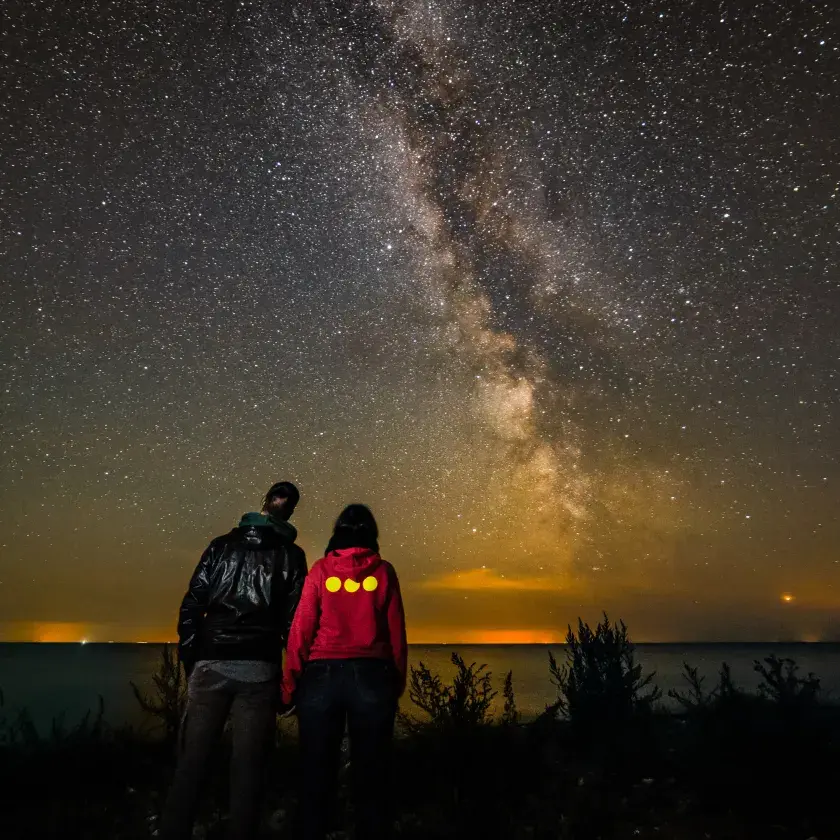
Dark Sky Parks are designated areas of exceptional night sky quality, recognized by the International Dark-Sky Association (IDA). These parks protect natural nighttime environments, making them vital resources for astronomy and wildlife observation. The designation signifies a commitment to maintaining minimal levels of artificial sky glow from external light sources.
Impact on Public Awareness and Attitude
The very existence and promotion of Dark Sky Parks directly impact public perception and attitude toward light pollution. By providing tangible examples of pristine night skies, they educate the public on what is lost when astronomical visibility is compromised.
- Increased Appreciation for Darkness: Experiencing a truly dark sky fosters a profound appreciation for natural darkness. This contrast heightened appreciation makes people more acutely aware of the detrimental effects of excessive artificial light.
- Understanding Ecological Impacts: Education provided within these parks often covers how light pollution affects nocturnal wildlife, including migratory patterns, predator-prey dynamics, and circadian rhythms. Understanding these ecological consequences shifts the viewpoint from merely aesthetic concern to conservation necessity.
- Advocacy for Responsible Lighting: Park signage, visitor materials, and associated educational programs encourage the adoption of "dark-sky friendly" practices at home and in communities. This promotes the use of downward-facing, shielded, and amber-toned lighting, which minimizes sky glow.
Key Educational Components of Dark Sky Initiatives
The goal of Dark Sky Parks is not merely preservation but also promotion of behavioral and policy changes. Educational components are crucial in modifying public attitude:
Stargazing and Astronomy:
Hosting public viewing events and workshops allows visitors to engage directly with the night sky. Witnessing constellations, galaxies, and nebulae outside of urban glare provides a visceral demonstration of what normal night conditions can look like, establishing a benchmark for optimal darkness.
Interpretation of Light Sources:
Visitors are educated on the concept of "direct lighting" versus "sky glow." Understanding that light does not necessarily need to illuminate the ground but can instead wash out the sky helps communities realize that simpler, shielded fixtures often suffice, leading to lower levels of necessary artificial light.
Modeling Sustainable Behavior:
Many parks promote initiatives such as motion-sensor lighting and "lights off" protocols in non-essential areas. By participating in these behaviors, the public learns actionable steps to reduce their personal contribution to light pollution.
Dark Sky Parks function as living laboratories for environmental responsibility. Their primary influence transcends conservation, serving as powerful educational tools that reshape human understanding of the night sky. By showcasing the beauty of an unpolluted darkness, they cultivate a societal attitude that values darkness as a critical natural resource, fostering support for policies that mitigate artificial light pollution in both natural and developed areas.